All eyes are often on Pokémon in 2026 as the franchise celebrates its 30th anniversary. It's been three decades since Pokémon Red and Green were released in Japan in 1996, becoming a multimedia phenomenon spanning trading cards, anime, and so much merch.
Those initial Game Boy adventures were the genesis of everything in the late 1990s, but Pokémon remained strong going into the 2000s. In fact, that decade is when some of the best Pokémon games of all time were released. The main-series games were classics, but there were also fantastic spin-offs that took the ever-expanding cast of characters in exciting new directions.
It was technically possible to wage Pokémon warfare on your television screen in the 1990s, as Red and Blue could be used with the Super Game Boy, an SNES peripheral that made Game Boy games playable on the home console. This didn't change the gameplay, though, so combat didn't look much more exciting in this format than it did on its original, pixel-based hardware.
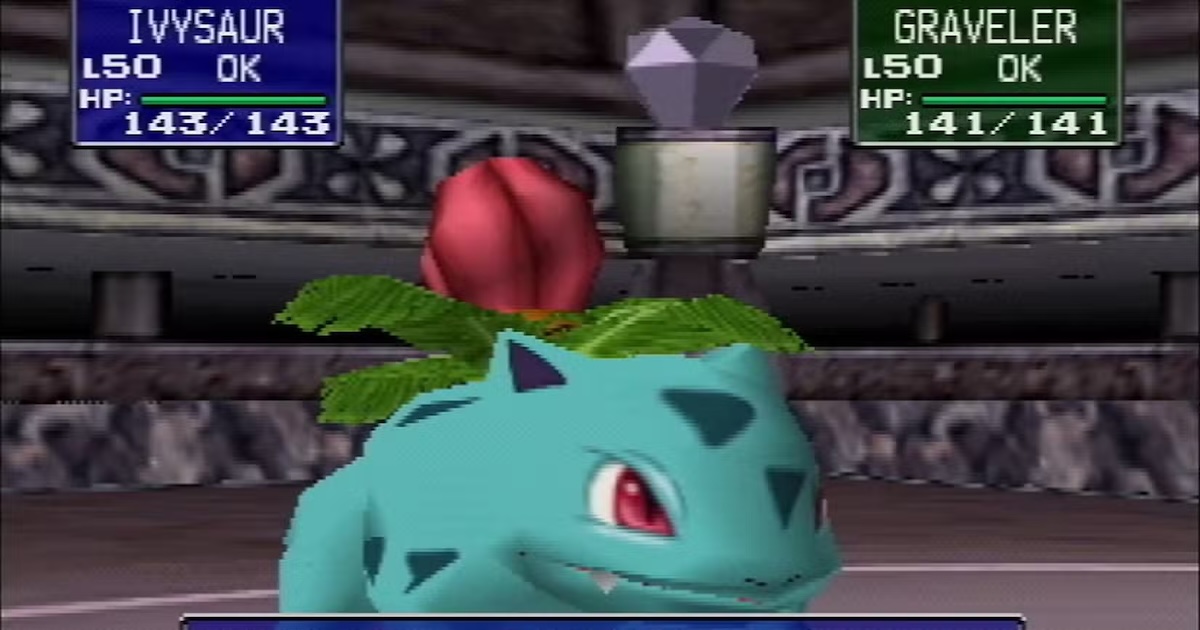
The 2000 N64 game Pokémon Stadium, then, was a revelation, though the experience did have some trade-offs. Most notably, aside from losing the portability factor, Pokémon Stadium didn't have the sort of story mode that drove the flagship games: just the battles. It had a lot of other positives going for it, though: All 151 Pokémon had their own 3D models, and players could even import the monsters from their own Game Boy games directly into Stadium. In an era when the appetite for fresh Pokémon experiences couldn't have been any bigger, Pokémon Stadium made Pikachu and the rest feel more real and alive than they ever had before.
◓◓◓
The Very Best: The Untold Story Of Pokémon, Satoshi Tajiri's Global Phenomenon
a book by Derrick Rossignol.
Learn more at pkmnbook.com.